Baguio in the Rainy Season — Is It Worth It? (2026 Guide)
Most travelers cross off the rainy months out of fear. After hosting through every wet season since 2020, I think that's a mistake — here's what a rainy-season Baguio trip is really like, hour by hour, and how to do it right.
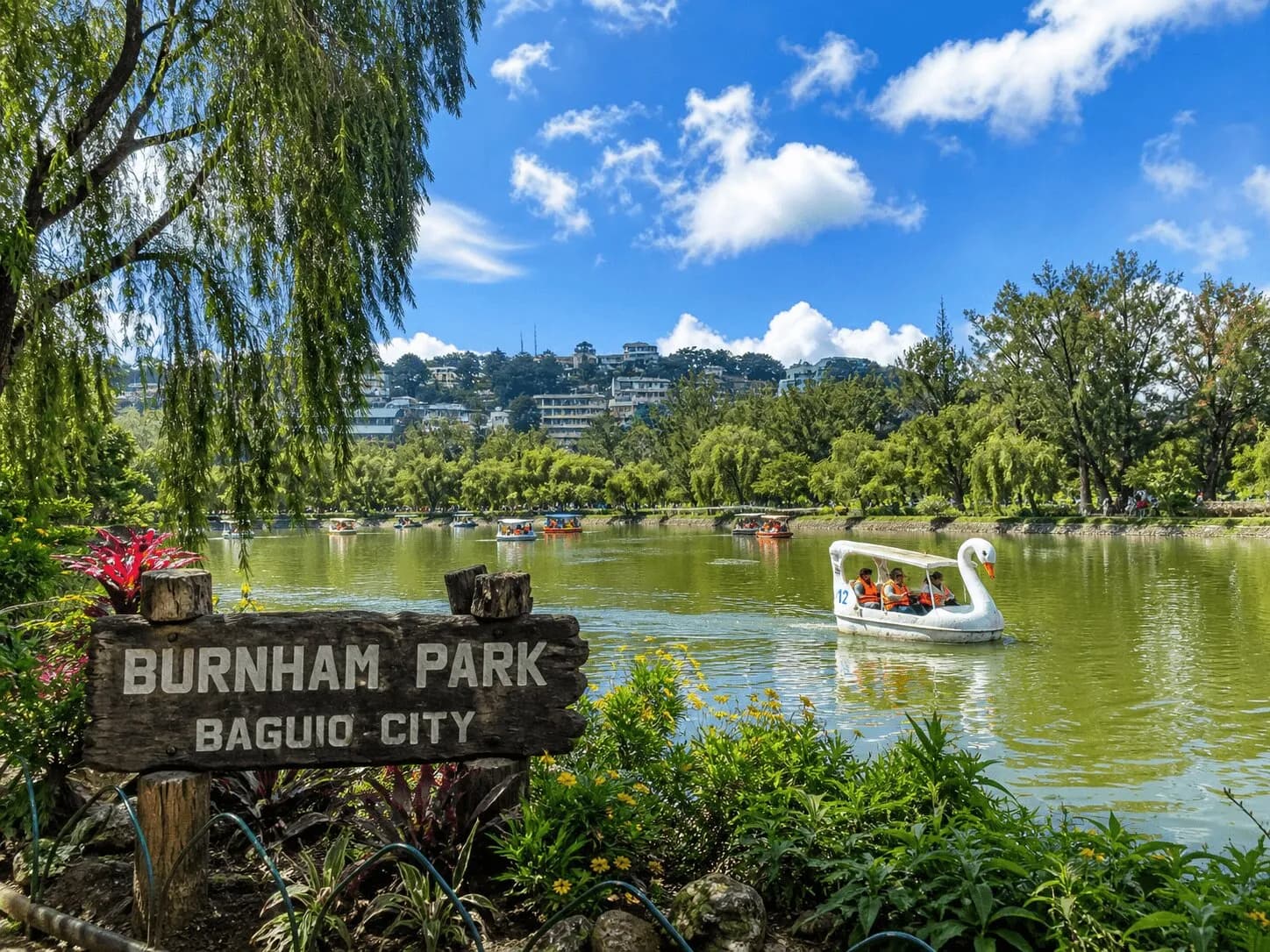
Ask the internet whether you should visit Baguio in the rainy season and you'll get a wall of nervous 'maybe avoid it' advice — almost all of it written by people who've never actually been here when it rains. I have. I'm Oliver, and I've run Valencia VOS Baguio Transient House at 92 Valenzuela Street since 2020, hosting guests through every wet season for years. My honest take: rainy-season Baguio is one of the most underrated trips in the Philippines, as long as you understand how the rain actually behaves and plan around it. This is the practical, experience-first guide — when the rainy season really runs, what a typical wet day looks like from morning to night, how to stay safe if a typhoon rolls in, what to pack, and why the foggy, quiet, half-empty version of Baguio might be the best one. If you care most about the cheapest dates, I cover the price side separately in my cheapest months to visit Baguio guide; this one is about the experience itself.
Is Baguio Worth Visiting in the Rainy Season?
Short answer: yes — if you plan around the rain instead of pretending it won't happen. Here's why I say that with confidence after years of hosting through it.
The fear most people have is a vision of being trapped indoors for three straight days while it pours nonstop. That's not what Baguio's rainy season is actually like, except during an actual typhoon. On a normal rainy-season day, the rain comes and goes — and there's plenty of clear, dry time to enjoy the city. What you trade for a little rain, you get back several times over: thinner crowds, easier booking, lower prices, and the cool, foggy, pine-scented Baguio that the peak-season masses completely bury.
So it isn't a compromise trip. It's a different — and in my opinion better — version of Baguio. The travelers who get this come back every rainy season on purpose. The ones who don't understand the rhythm are the ones who get caught off guard and leave grumbling. The whole point of this guide is to make sure you're the first kind.
Pro Tip
Rainy-season Baguio is worth it as long as you plan with the rain, not against it. Expect dry mornings and evenings, plan flexibly for afternoons, and you'll get a quieter, cheaper, more beautiful trip.
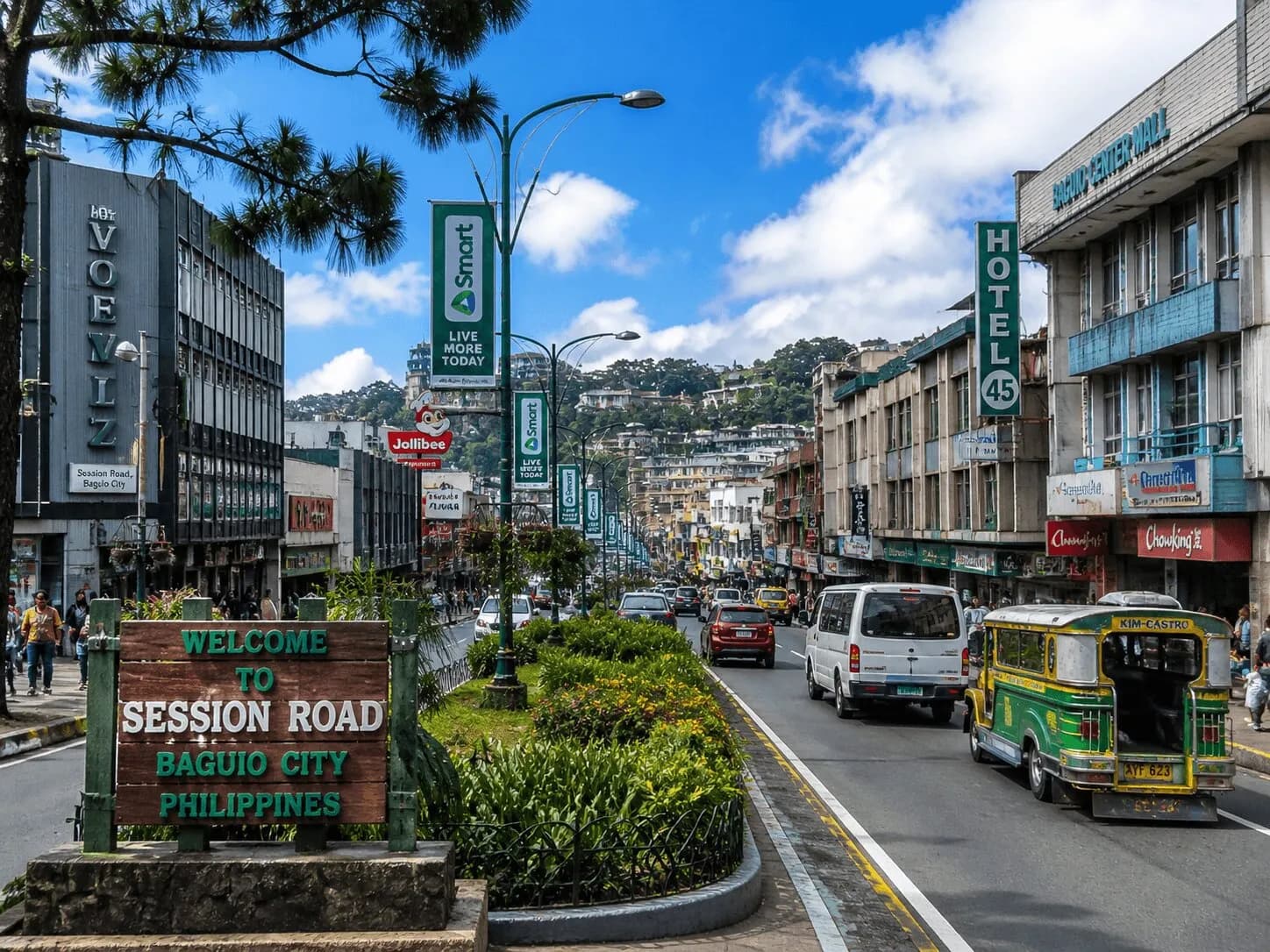
When Is the Rainy Season in Baguio?
Baguio's rainy season runs roughly from June through September or early October, driven by the southwest monsoon — the habagat — that the Cordillera mountains catch and wring out. Baguio sits high and exposed, so it genuinely gets more rain than the lowlands during these months. There's no point sugarcoating that; what matters is how that rain is distributed through the day, which I'll get to next.
Within the season there's a gradient. June and the start of the season tend to be lighter and more forgiving — frequent showers but fewer big storms. The heart of the wet season, around July to September, is rainier, and September in particular is the month to watch for typhoons. By October things usually begin to taper as the season winds down toward the cool, dry 'ber' months.
If you want the rainy-season experience with the lowest typhoon risk, aim for June or early in the season. If you're chasing the absolute lowest prices and emptiest city and don't mind more rain, the deep-season weekdays deliver that — more on the money side in my cheapest months guide.
Pro Tip
Rainy season is roughly June–September. June is lighter and lower-risk; July–September is wetter with more typhoon potential. Pick your spot on that gradient based on how much rain you're willing to trade for fewer crowds and lower rates.
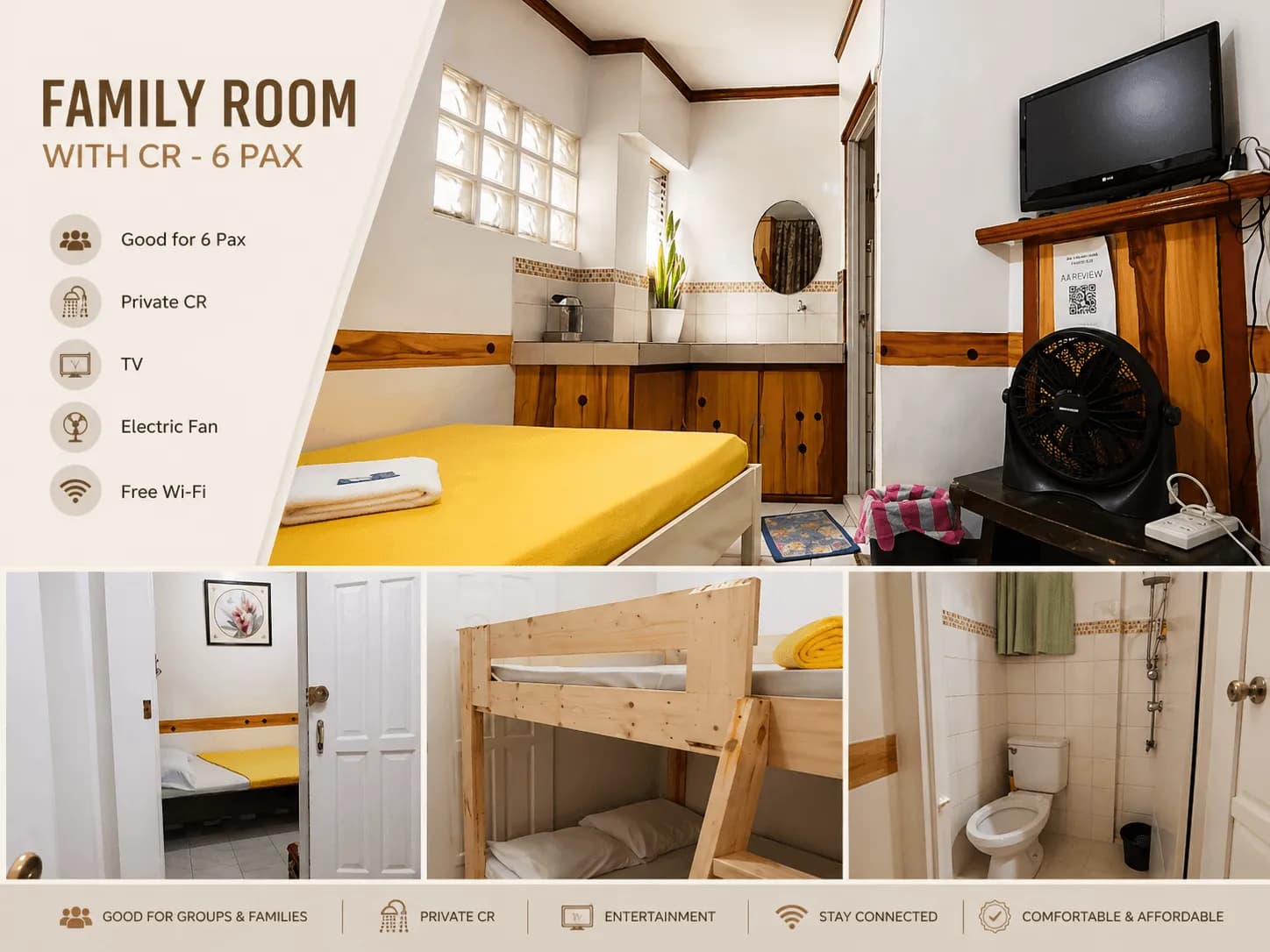
What the Rain Is Actually Like — The Daily Rhythm
This is the single most important thing to understand, and almost no travel blog tells you: Baguio's rain has a daily rhythm you can plan around.
The rain mostly falls in the afternoon. Mornings are usually clear, and nights are usually dry too — it rarely rains overnight unless a typhoon is passing through. So a typical rainy-season day is not a washout. It's a bright, cool morning that's perfect for being outside, an afternoon shower you duck indoors for, and a dry evening for dinner, the night market, and a walk.
Once you see the pattern, your whole itinerary writes itself. Front-load your outdoor plans into the morning when it's clear. Keep the afternoon loose and indoor-friendly for when the rain arrives. Come back out in the evening once it's dry again. You're not fighting the weather; you're just scheduling around a predictable afternoon shower. That one shift in thinking is the difference between a rainy-season trip people love and one they complain about.
Pro Tip
The rule: outdoors in the morning, indoors in the afternoon, back out at night. Baguio rain is an afternoon event, not an all-day one — build your day around that and the rain barely costs you anything.
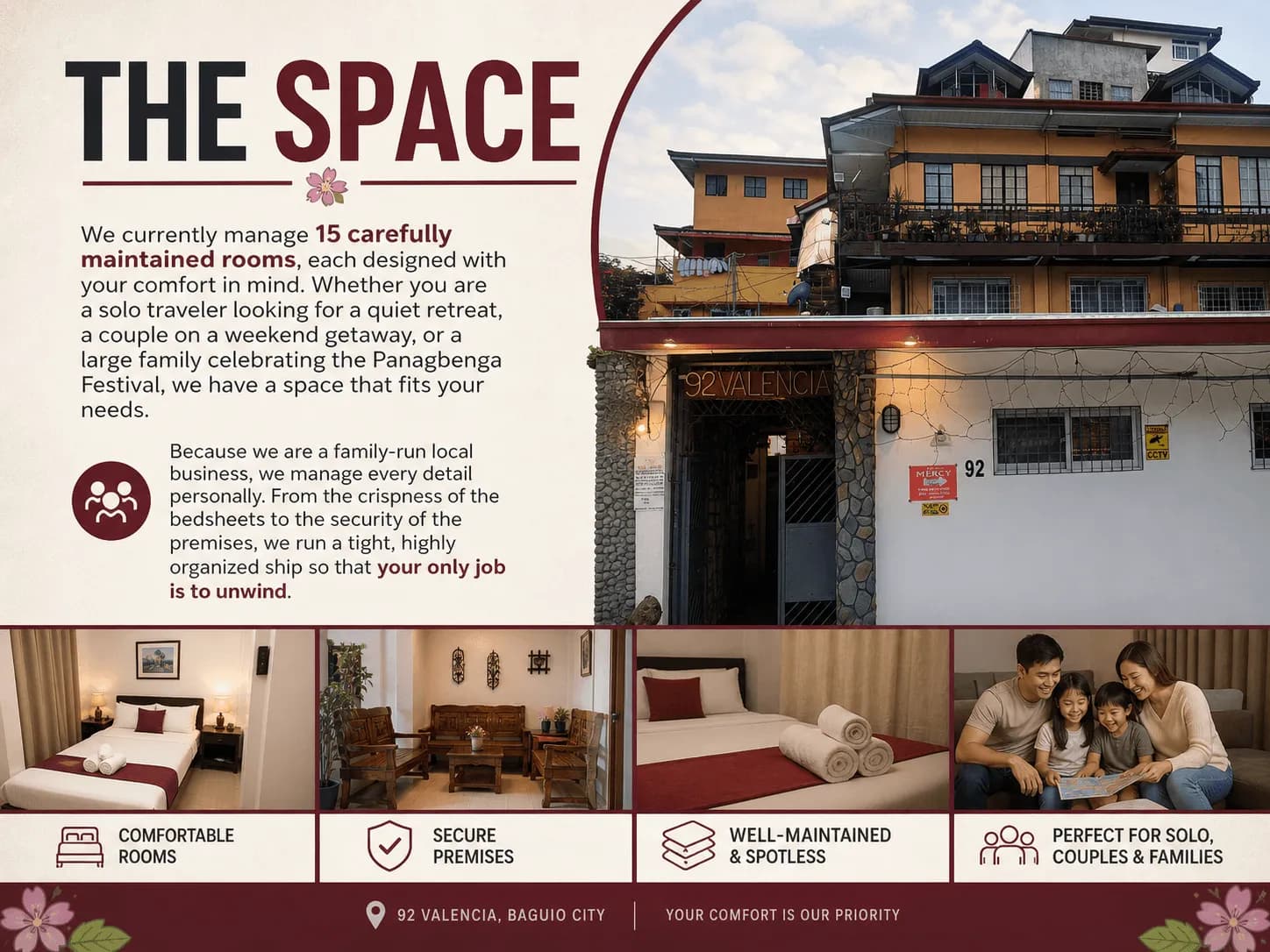
A Rainy-Season Day in Baguio, Hour by Hour
Here's exactly how I tell guests to run a rainy-season day so it feels easy and full instead of rained-out — and it works beautifully from a central base like ours.
Morning, while it's clear: get outside first. This is your window for Burnham Park, the strawberry farm in La Trinidad, Mines View, or just a slow walk down a calm, uncrowded Session Road with coffee. Do the things that need dry skies now.
Afternoon, when the rain rolls in: head to coffee and SM City Baguio. From VOS it's about a 3-minute walk, and it's all indoors — coffee, a meal, a browse, completely dry while the shower passes. It's the easiest place in the city to wait out the rain without losing the afternoon. When the rain stops — and it usually does — walk over to Burnham and eat at Good Taste near the park: huge servings, low prices, and exactly the hot, satisfying meal that hits after a cool, drizzly afternoon. For the area around the park, my transient near Burnham Park guide covers the walk and what's nearby.
Evening, dry again: this is night-market time on Harrison Road, dinner out, and a relaxed walk in that cool, foggy air. The rain is long gone and the city is at its most atmospheric.
Pro Tip
Stay central. When your base is a few minutes from SM, Session, and Burnham, you can dart indoors the moment it rains and step back out the second it stops — no Grab, no wasted afternoon.
Typhoons — The One Real Risk, and How to Stay Safe
I won't pretend rainy season is risk-free. The one thing that can genuinely disrupt a trip is a typhoon, and the month to watch most closely is September. A passing typhoon is the exception to the 'clear mornings and nights' rule — that's when it really can rain all day and night.
The reassuring part is that typhoons are forecast days ahead, so you're never blindsided. Before you travel, check PAGASA and a weather app for any storm signal over Northern Luzon or the Cordilleras. If a storm is clearly tracking toward the region during your dates, the smart move is to shift your trip — and because rainy-season rooms are easy to rebook, moving a few days is rarely a problem. During a typhoon itself, the main mountain roads up to Baguio — Kennon Road, Marcos Highway, and Naguilian Road — can close for safety, so never try to travel through one; wait it out.
This is also where staying with a hands-on, family-run host matters most. If a typhoon hits during your stay and the roads close, I flex with my guests rather than leaving them stranded — rebooking, extending, working something out. That human flexibility is something a rigid booking platform simply can't offer. If you're still mapping out the trip and the routes, see my how to get to Baguio from Manila guide.
Pro Tip
Watch September most, check PAGASA before booking, and never travel through a typhoon — the roads up to Baguio close for a reason. Choose a flexible, family-run host who'll work with you if a storm hits mid-trip.
What to Pack for Rainy Season
Packing for a rainy-season Baguio trip is refreshingly simple, and over-preparing is the most common mistake I see. You really only need two things: an umbrella and a light jacket.
The umbrella handles the predictable afternoon showers — and a compact folding one is easier than a bulky raincoat for ducking in and out of cafés and the mall. The light jacket covers Baguio's cool mornings and nights, which are crisp and pleasant rather than cold. That's genuinely the core of it.
Baguio is cool, not freezing, and the rain is steady, not extreme, so you don't need heavy-duty rain gear, waterproof boots, or layers of winter clothing. Comfortable shoes you don't mind getting a little damp, your umbrella, and a light jacket will carry you through the whole trip. Pack light and leave room for the strawberries and pasalubong you'll bring home.
Pro Tip
Umbrella + light jacket = enough. Don't overpack rain gear; Baguio is cool and drizzly, not stormy and frozen. A compact folding umbrella beats a bulky raincoat for the in-and-out afternoon rhythm.
Where to Stay — and Why the Rainy Months Reward You
Where you stay matters more in the rainy season than in any other, because the whole strategy depends on being able to dart indoors when the rain comes and back out when it clears. A central base inside the Session Road–SM Baguio–Burnham Park triangle turns the afternoon shower from a problem into a non-event — you're never more than a few minutes from cover or from the next thing you want to do. A far, cheap room means a Grab ride every time the sky opens, which erases the savings and the fun.
Let me share why I trust the rainy season so much, with a story that stuck with me. A group came during the wet months on a tight budget, and mid-stay a typhoon rolled in and stranded them — they had to extend. For budget travelers, an unplanned extension is the nightmare scenario. So we did what a family-run place does: we gave them a big discount on the extra typhoon days so it wouldn't break their budget, and we shared some of our own food with them while the storm passed. What could have been miserable became a trip they genuinely loved — warm, fed, and looked after while riding out a Baguio typhoon. That's the rainy season at its best: lower prices, real flexibility, and people who treat you like family.
To book that kind of stay, message us on Facebook at facebook.com/vosbaguio or call 0936 895 6542 with your dates and group size, and we'll give you a straight, honest rate with the flexibility to adjust if a storm appears. To compare a few options first, BookBaguio maps stays by real location, and for a bigger or more private space for a group, VOS Villa is worth a look. And if you're curious how a small Baguio business stays fully booked even through the rainy off-season, here's the behind-the-scenes story.
Pro Tip
Stay central so the afternoon rain never costs you a Grab ride or a wasted hour — and book with a flexible, family-run host who'll look after you if a typhoon changes your plans.
Frequently Asked Questions
Is Baguio worth visiting during the rainy season?
When is the rainy season in Baguio?
Does it rain all day in Baguio during the rainy season?
Is it safe to travel to Baguio during a typhoon?
What should I do in Baguio when it's raining?
What should I pack for Baguio in the rainy season?
Related Guides
The transient house behind this guide
Valencia VOS Baguio Transient
92-P Valenzuela Street — 3 minutes from SM Baguio. See the homepage Rooms & Rates section for prices by date and guest count. Family-run since 2020.